Glazed Facades: Past, Present and Future
Glazed facades occupy a unique position at the intersection of architecture, material science, and artistic expression. Combining durability with aesthetic richness, they have long served both practical and cultural functions in the built environment. Today, their relevance extends across the entire construction ecosystem, from material suppliers and manufacturers to architects, developers, and local authorities.
My own engagement with glazed ceramics has been shaped through doctoral research and the development of a multidisciplinary studio practice. This work has explored not only the historical lineage of glazed facades, but also their contemporary applications and future potential within sustainable and commercially viable architecture.
To understand their significance fully, it is essential to consider glazed facades across three temporal perspectives: past, present, and future. Their historical longevity demonstrates unmatched durability; their contemporary use shows adaptability and innovation; and their future promises continued relevance in creating low-maintenance, high-value, and socially enriching buildings. Together, these perspectives reveal glazed facades as not merely decorative, but as integral to the creation of resilient and meaningful architecture.
The Past
My research into architectural ceramics has involved extensive study of historical applications of glazed architectural ceramics, supported by travel and archival work funded through various academic grants. This exploration has revealed a remarkable continuity in the use of glazed clay as both a structural and decorative material.
Ancient Durability and Colour
Glazed bricks have demonstrated extraordinary longevity. Ancient examples, such as the Ishtar Gate of Babylon and the palatial complexes of Susa, illustrate how fired clay units, enhanced with mineral-based glazes, could retain both structural integrity and vibrant colour over millennia. These surfaces, often richly decorated with relief figures, were created using moulded bricks finished with oxide-based glazes that produced deep blues, greens, and yellows.
The endurance of these facades is not incidental. Fired clay is inherently robust, resistant to water, fire, and environmental degradation. The addition of glaze not only enhances visual qualities through reflectivity and colour, but also provides an additional protective layer, contributing to the material’s remarkable lifespan.
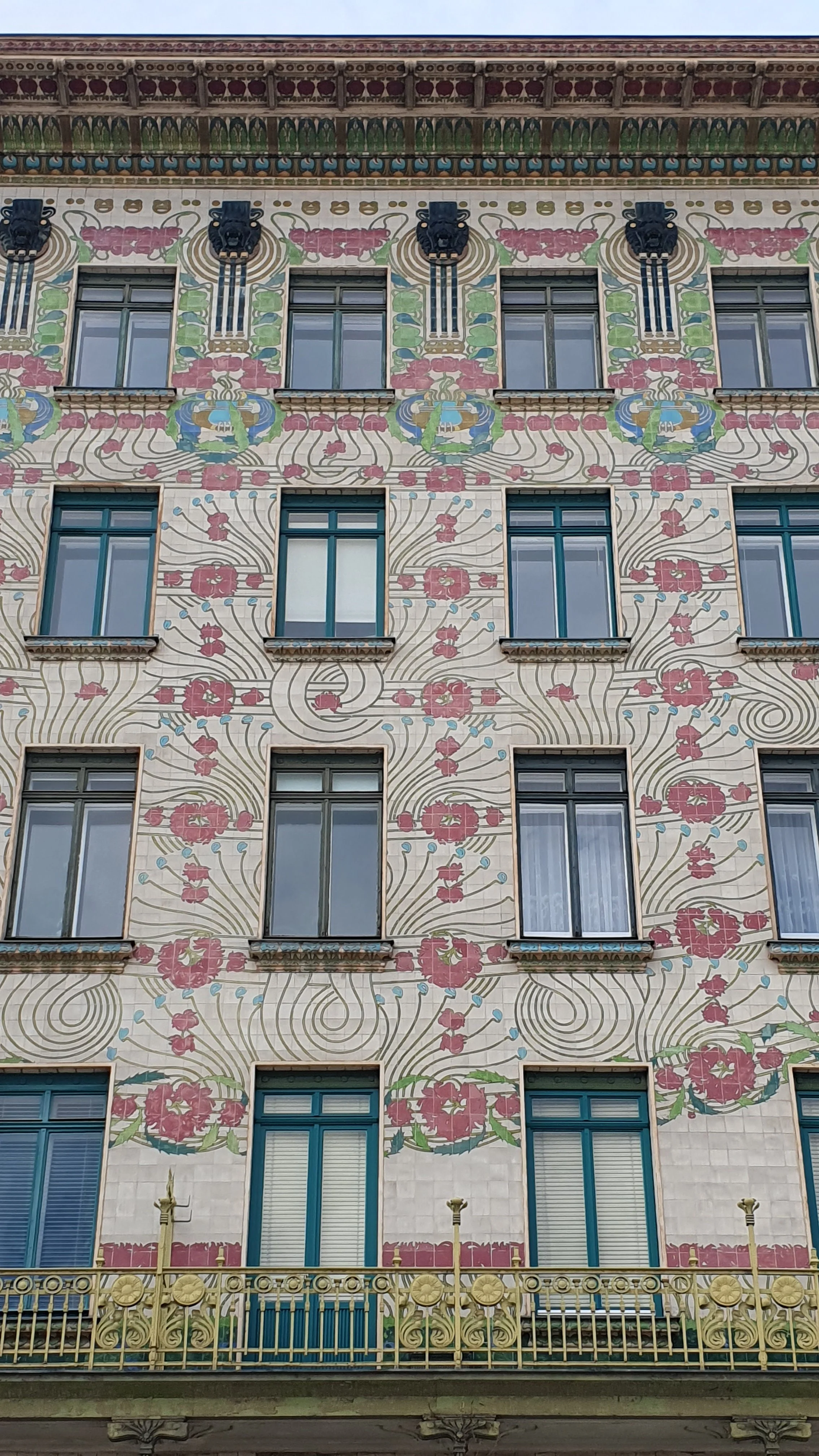
Otto Wagner. Majolica House, Vienna, 1898. Image © Maria Gasparian
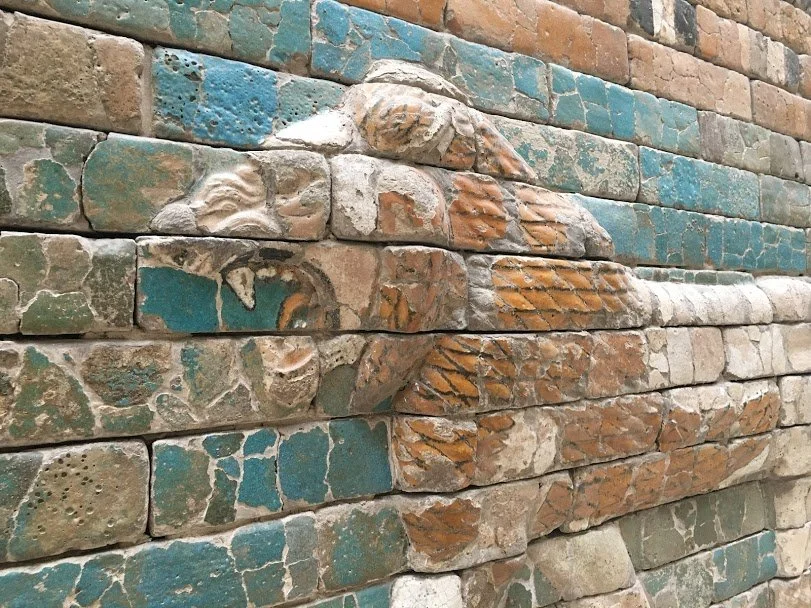
Lion Relief from the Processional Way, Babylon, ca. 605–562 B.C.Pergamon Museum, Berlin. Image © Maria Gasparian
Industrial Revival in Europe and beyond
The late 19th and early 20th centuries saw resurgence in the use of glazed ceramics, driven by industrial advances and a renewed architectural interest in ornamentation and individuality. Across Europe and the United States, architects began incorporating glazed brick and faïence into both interiors and facades.
Buildings such as Majolica House by Otto Wagner in Vienna (1898) exemplify this movement, using patterned ceramic tiles to animate entire elevations. Similarly, the richly decorated Tuschinski Theatre in Amsterdam (1921) demonstrates the expressive potential of glazed surfaces in urban architecture.
The British Context
In the United Kingdom, glazed facades gained prominence during the same period, particularly in response to urban conditions. Their resistance to pollution and ease of cleaning made them especially suited to hospitals, civic buildings, and dense city environments. White glazed bricks were frequently used to reflect light into narrow courtyards, improving internal conditions.
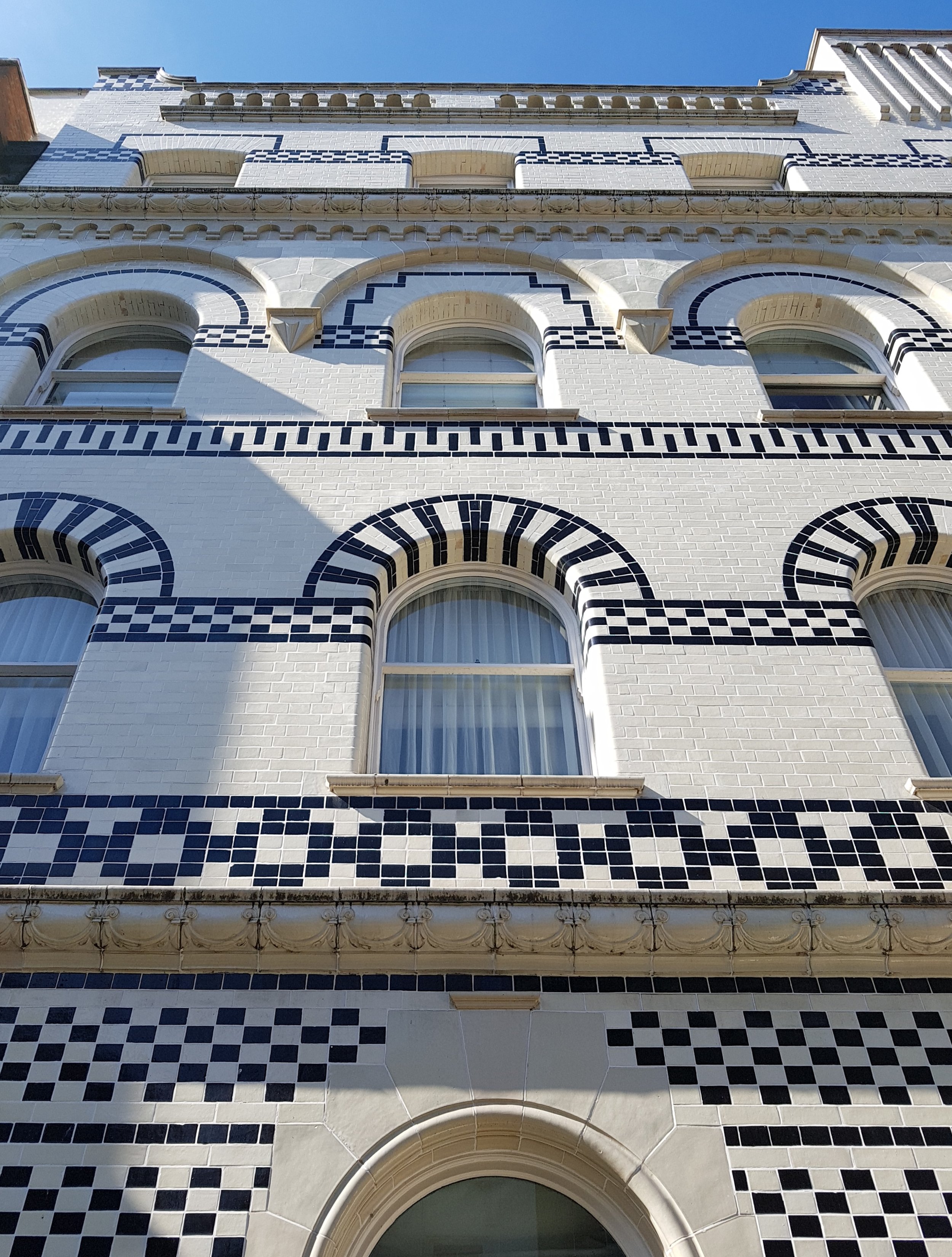
Notable examples include the Langham Court Hotel (formerly the Nurses’ Home, 1901), which employs contrasting glazed brickwork, and the Michelin House (1911), where ceramic detailing contributes both to identity and durability. These buildings illustrate how glazed facades were valued not only for their decorative qualities but also for their functional performance.
The Present
Today, glazed facades are experiencing a renewed relevance. In my own practice, traditional ceramic methods are reinterpreted through contemporary design and technology, allowing them to meet current architectural demands.
One of the key lessons from historical precedents is that glazed ceramics succeed because of their versatility and robustness. In modern architecture, modular elements can be adapted and integrated into modern construction systems in innovative ways.
At Cornwall Road in Birmingham, glazed brick slips were used to reclad an existing office building using mechanically fixed system. This approach avoided demolition while transforming the visual identity of the structure. The introduction of colour and reflectivity gave the building a renewed presence, while simultaneously providing a durable outer layer designed to endure.
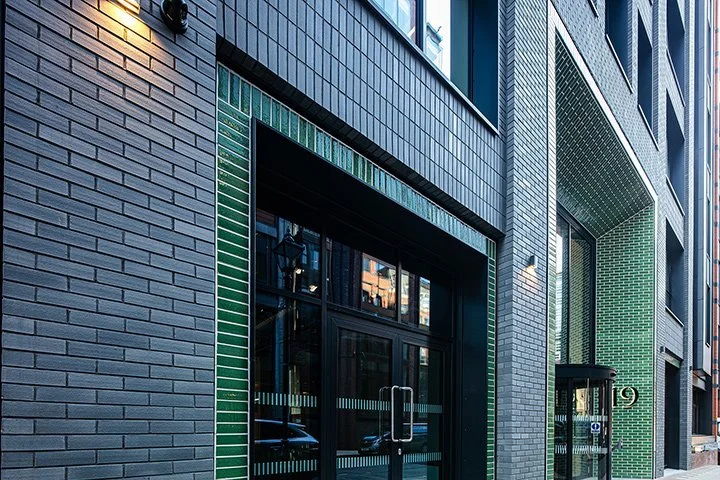
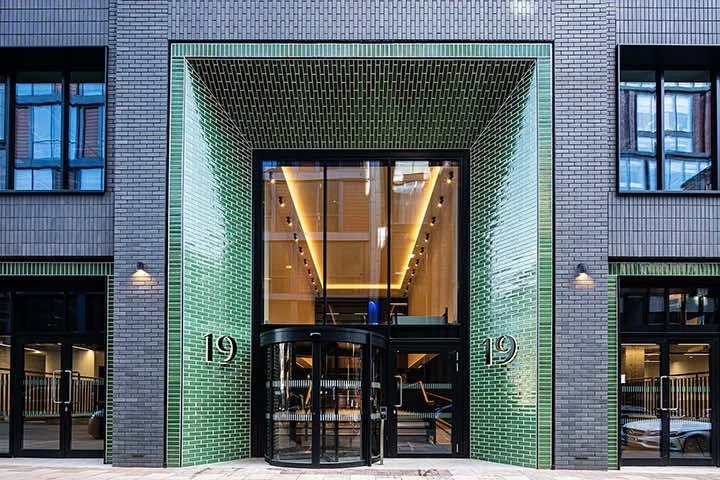
Images © Creative Brick Solutions
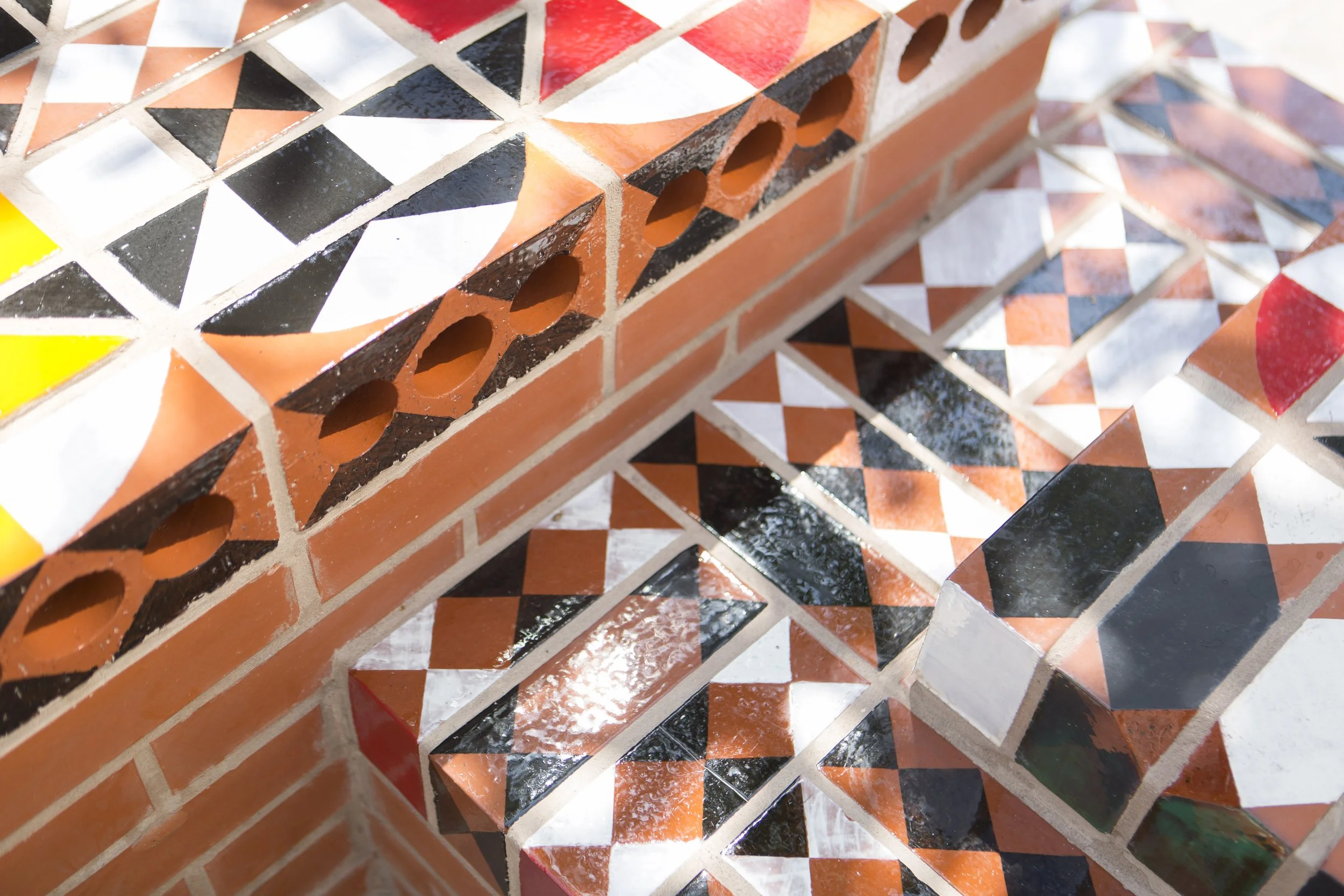
On Brandon Street in Southwark, the use of polychrome hexagonal glazed tiles enabled a dynamic interplay of form and colour. A carefully developed palette, achieved through extensive glaze testing, allowed for a gradual tonal transition across the facade. The geometry of the tiles also contributed to structural performance by distributing movement across the surface, demonstrating how aesthetic ambition and technical resolution can work together.

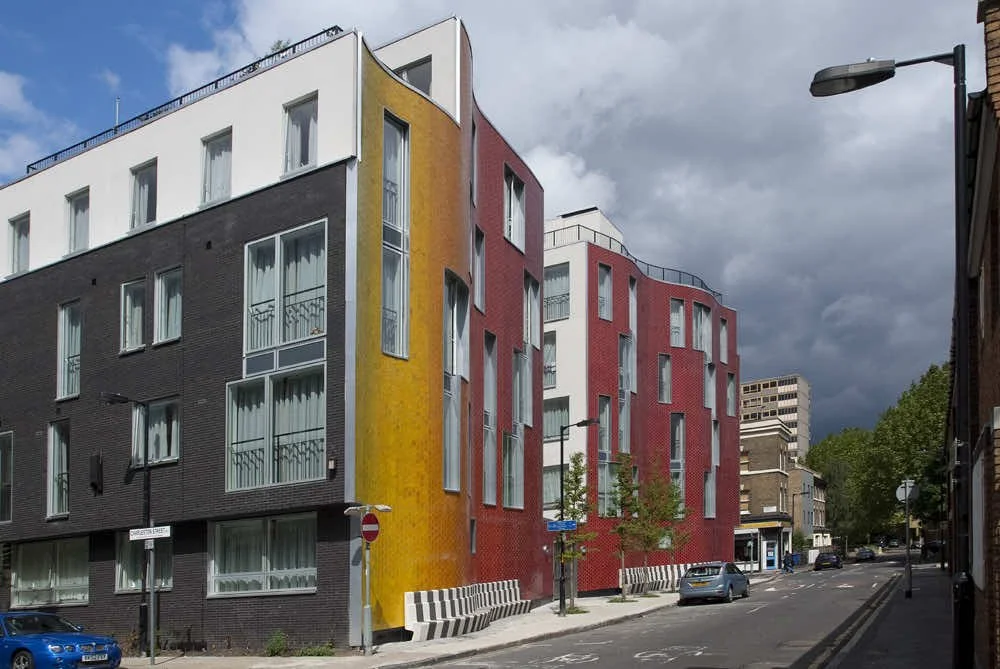
Images © Raries Montreux
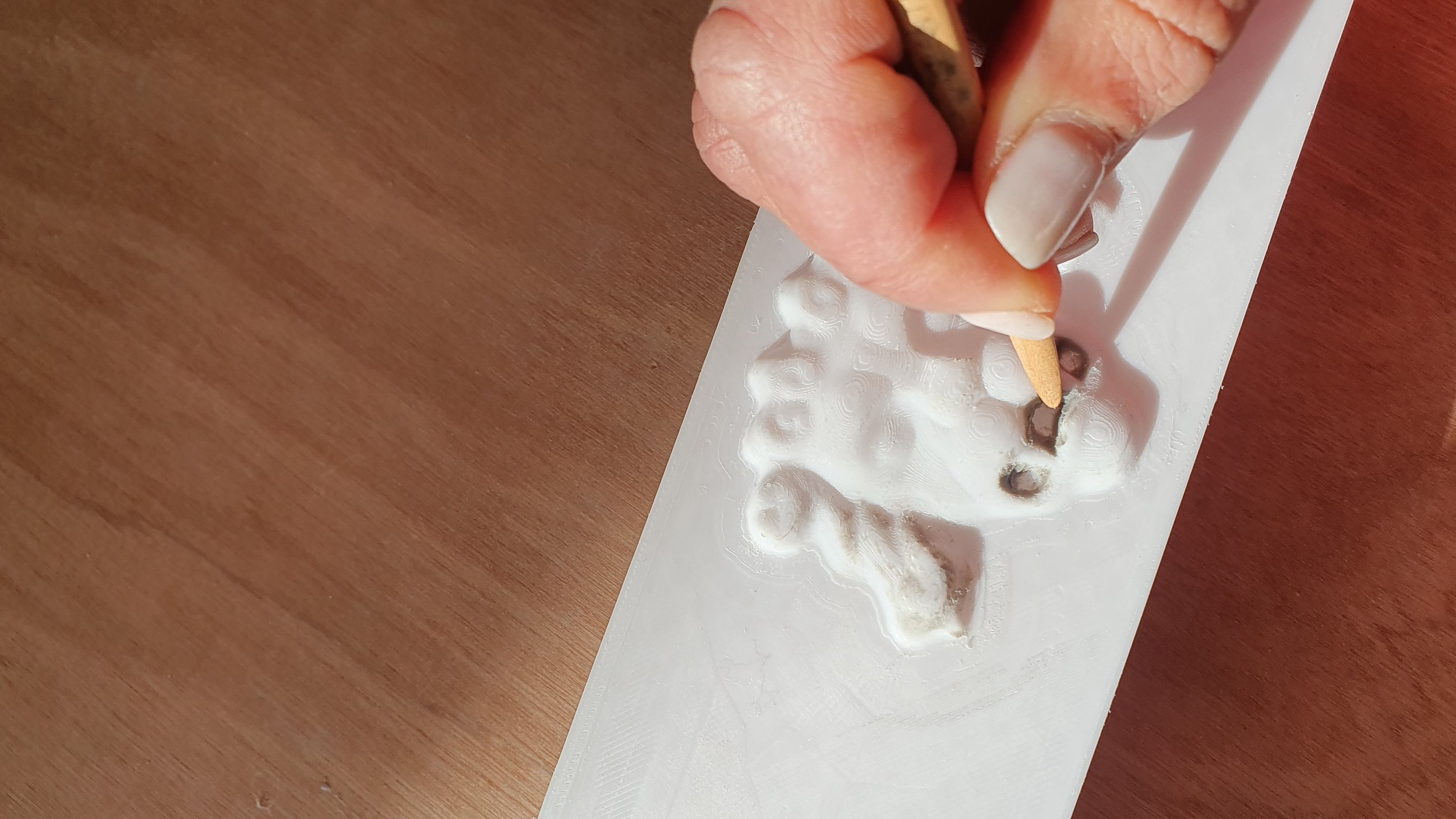
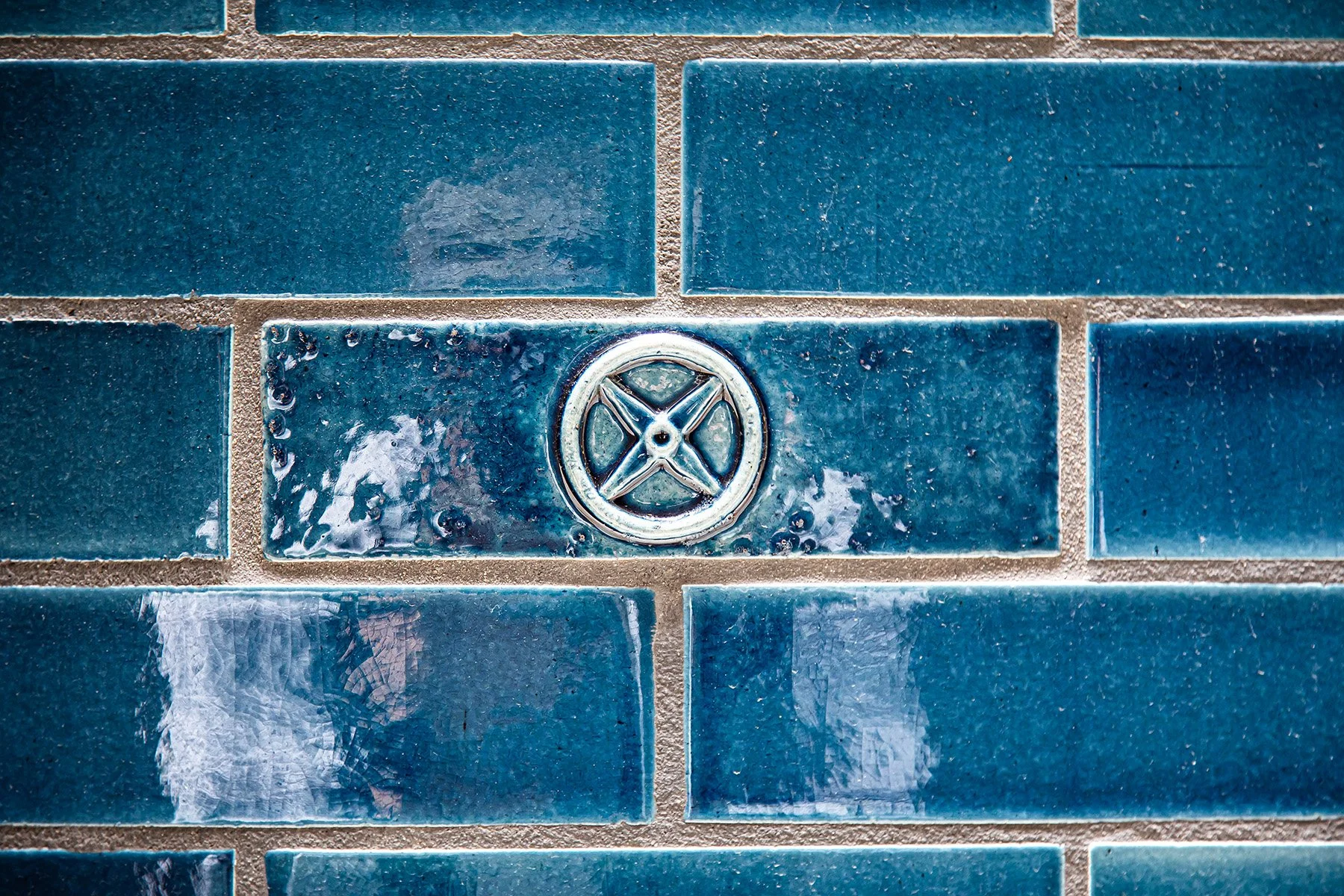
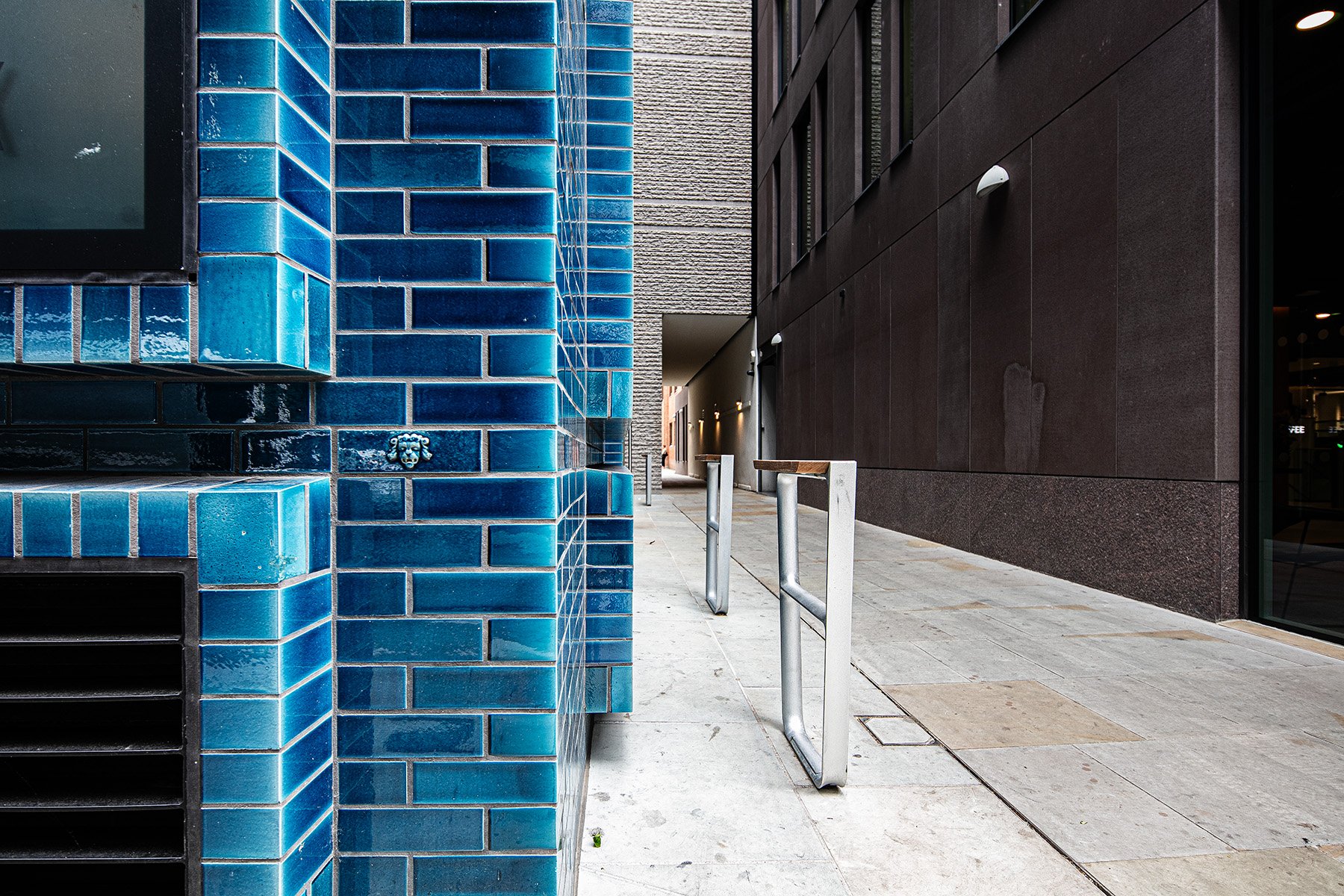
At Fetter Lane in the City of London, collaboration between artist, architects, supplier and manufacturers resulted in a highly site-specific facade intervention. My involvement in this project focused on the development of bespoke ceramic motifs, produced through a combination of digital and hand-making techniques. These elements were designed to integrate seamlessly into the fabric of the building while introducing a tactile and narrative dimension to the building. This project highlights how glazed facades can move beyond surface treatment to become carriers of meaning, embedding stories and identity within urban spaces.
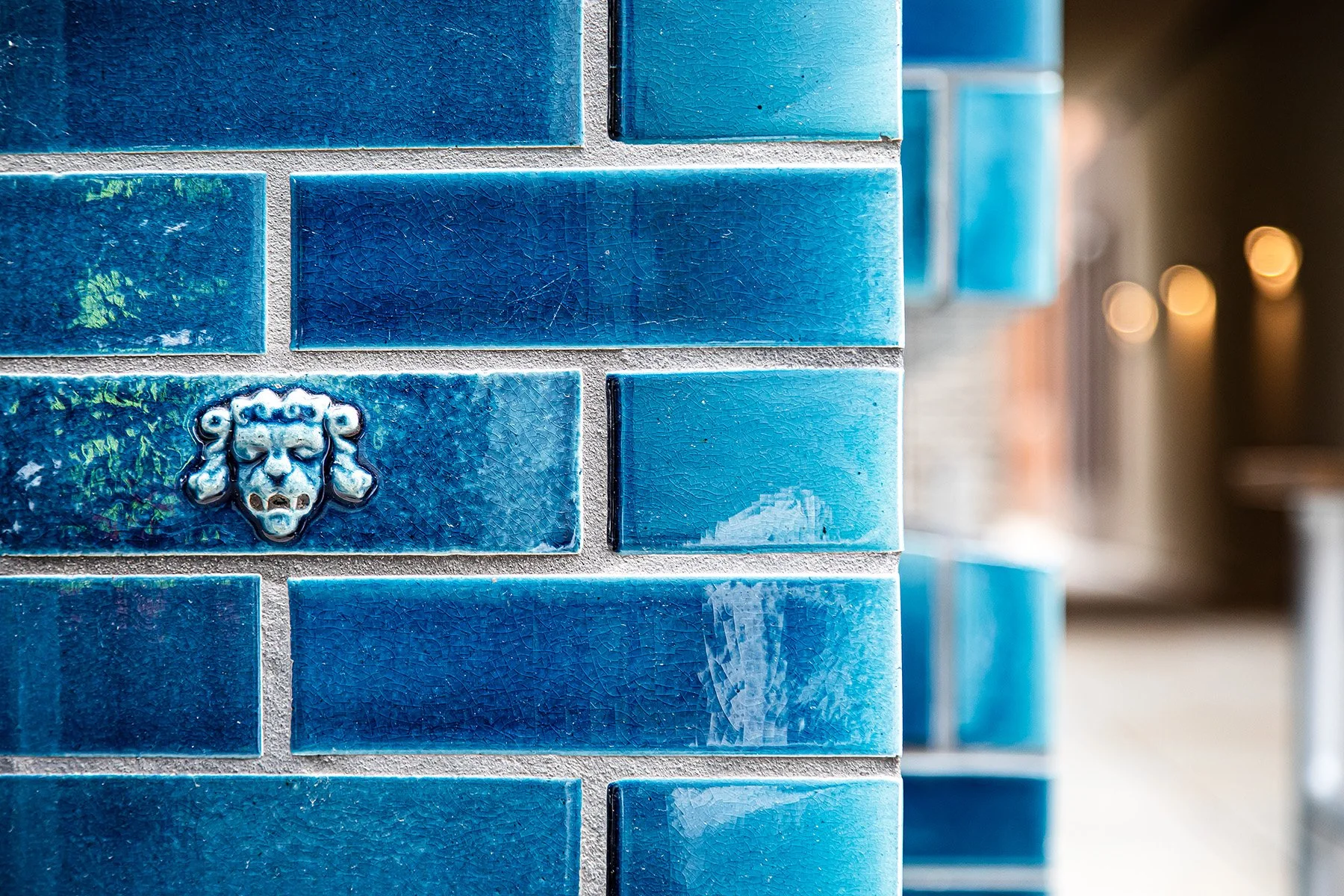
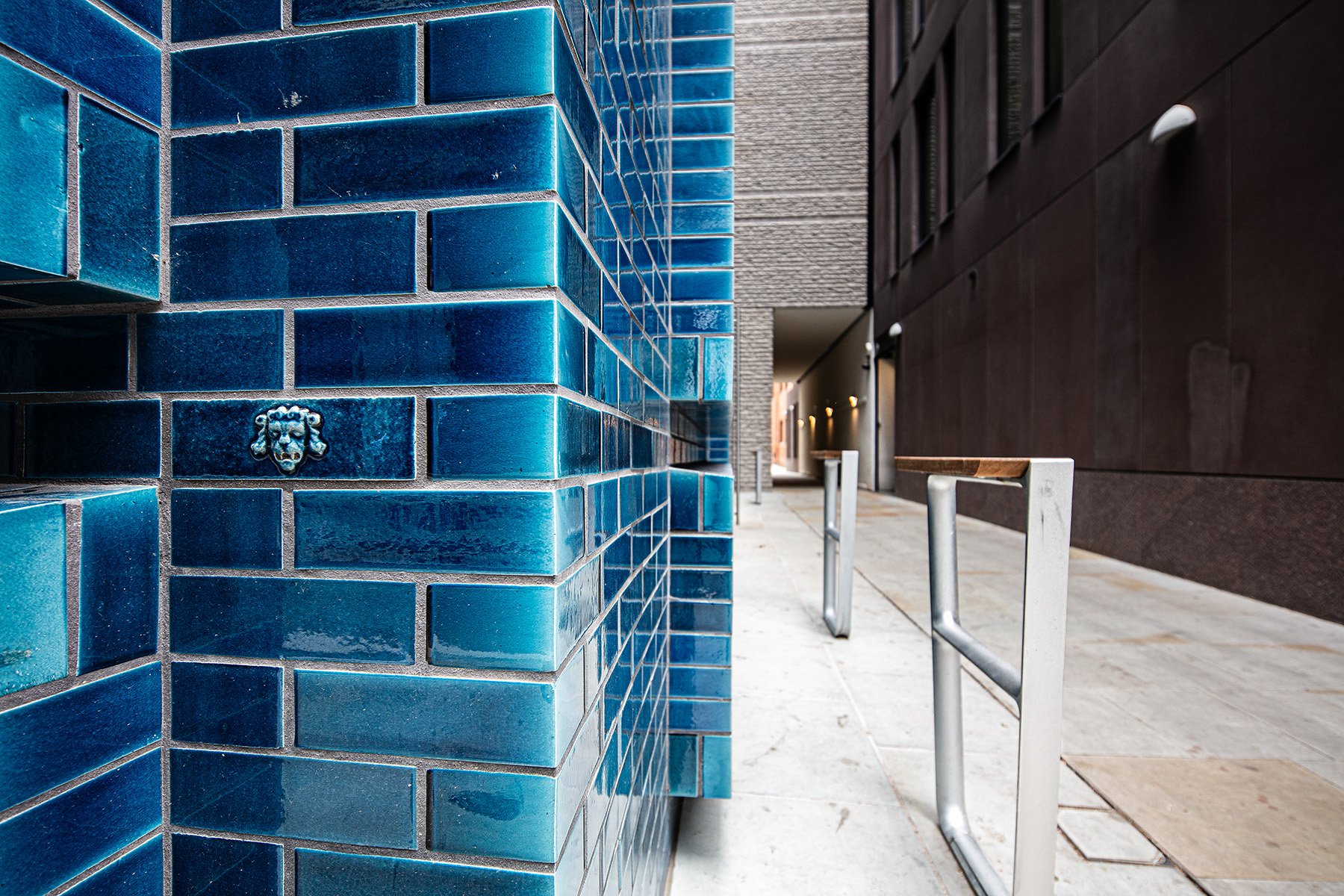
Images © Creative Brick Solutions
The Future
Looking ahead, glazed facades are well positioned to play an increasingly important role in architecture, particularly from a commercial and sustainability perspective.
Their utilitarian qualities remain unmatched. Fired clay is one of the most durable building materials available, requiring minimal maintenance over its lifespan. Glazed surfaces resist weathering, pollution, and vandalism, and can be easily cleaned. The enduring condition of ancient examples demonstrates not only physical resilience but also the ability to retain aesthetic value over time.
From a commercial standpoint, this durability translates into long-term cost efficiency. While the initial investment in a glazed facade may be higher than alternative materials, reduced maintenance and extended lifespan provide clear economic benefits. For developers and asset owners, this represents a compelling value proposition.
Equally significant is the social value that glazed facades can generate. Their reflective qualities and rich colour palettes allow buildings to respond dynamically to light and environment, enhancing streetscapes and contributing to a sense of place. There is growing evidence that colour and materiality can positively influence wellbeing, suggesting that thoughtfully designed facades can have a meaningful impact on the experience of public space.
In this sense, glazed facades offer a rare combination: they are simultaneously practical, economically advantageous, and culturally enriching.
Conclusion
Glazed facades have always been, and will continue to be, a critical component of architecture. Their historical resilience demonstrates their capacity to endure; their contemporary applications reveal their adaptability; and their future potential confirms their relevance in addressing both commercial and social demands.
They enable the sensitive rehabilitation of existing buildings, providing new life without the need for demolition. They offer durability that ensures longevity and reduces maintenance burdens. And in new developments, they contribute to creating architecture that is both timeless and distinctive, enhancing value while embedding buildings meaningfully within their surroundings.
Maria Gasparian Studio is a multidisciplinary practice specialising in the design and creation of bespoke ceramic designs. We work closely with architects, developers, local authorities and manufacturers to deliver bespoke solutions. For enquiries, please contact studio@mariagasparian.co.uk.
Creative Brick Solutions is a specialist supplier of architectural bricks, brick slips and bespoke brick solutions. Working closely with architects, developers, contractors and specifiers, the team delivers creative, practical solutions for a wide range of façade projects. They partnered with Maria Gasparian Studio on the bespoke glazed brick slip installation at Fetter Lane in London. For enquiries, please contact contact@creativebricksolutions.com.
Arthur E. Thompson. Nurses’ Home, now Langham Court Hotel, 1901. Image © Maria Gasparian